Participants depart from their respective countries to Coimbatore, India. Plan your flight to arrive on the morning of 20 September.

20 SEPTEMBER – 3 OCTOBER 2026
In the Footsteps of the Masters:
A SPIRITUAL JOURNEY THROUGH SOUTH INDIA
Take part in the 4 live consecrations by Sadhguru,
and journey through the most sacred places of South India
This autumn at Sadhguru Sannidhi Bengaluru, in South India, a series of 4 consecutive consecrations brings a new dimension of the sacred into being. For most of history, a consecration happened only in close, intimate circles, accessible to a privileged few. Sadhguru is now opening it to thousands. We have built a complete spiritual journey through South India, in the footsteps of the Masters, to enhance our receptivity to what Sadhguru has to offer.
Your spot is reserved once the advance payment reaches us. Limited places available.
There's more below
Disclaimer
This spiritual journey is organised by Shambho Journeys, an independent travel company.
This journey is NOT organised by Isha Foundation, Isha Sacred Walks, or any other Isha entity.
Some of the images and videos used on this website are Copyright © Isha Foundation.
The Journey
At a glance
Everything you need to know before the longer story.
01
When & Where
Dates
Main journey: 20 September to 3 October 2026
Optional extension to 6 October
Optional extension to 6 October
Duration
Main journey: 14 days, 13 nights
With the optional extension: 17 days, 16 nights
With the optional extension: 17 days, 16 nights
Pick-up
India, Coimbatore Airport, 20 September, 7 AM
Drop-off
Main journey: India, Bengaluru Airport, 3 October, 00:30 AM
Optional extension: India, Bengaluru Airport, 6 October, 00:30 AM
Optional extension: India, Bengaluru Airport, 6 October, 00:30 AM
02
The Journey Itself
Highlight
The series of 4 consecrations with Sadhguru at Sadhguru Sannidhi Bengaluru, 28 September to 2 October
Sacred places visited
16, including the Isha Yoga Center, places connected to Sadhguru's life as Sadhguru Sri Brahma in the Nilgiris, the Chamundi Hill enlightenment spot, and more
Optional extension
A mountain pilgrimage up the peak where Shiva's son attained Mahasamadhi, leaving his body in a standing posture, alongside the temple dedicated to him at its foot
03
The Requirements
Minimum age
15 years
Minimum requirement
Initiation into Shambhavi Mahamudra (can be done online, from your own home)
04
Who's With You
Group Leader
Robert Gheorghiu, International Tour Guide
Languages
All activities are held in English.
Kamal
Bhula
Medical Doctor,
UK
Carla
Puscas
Psychologist,
Romania
Sachin
Punn
Cyber Security Director,
UK
Hristofor
Cherkezov
Surgeon,
Bulgaria
Nadine
Kseibi
Tattoo Artist,
Romania
Anita
Howard
Manager,
UK
What You Carry Home
Benefits
The grace of so many consecrated spaces, imbibed by you.
01
Mental clarity and balance
02
Better physical health and vitality
03
A settled, quieter mind
04
Relief from negativity and a protective aura around the system
05
Renewed energy and a sense of resurgence
06
Support for the material and physical dimensions of life
07
Alignment with the celestial influences that shape success in life
08
Pranic imbalances straightened out
09
A cleansed energy body, free of accumulated impressions
10
Deep meditativeness, reached without effort
11
Heightened spiritual receptivity
12
Highly accelerated spiritual growth, carried by the support of so many consecrated spaces
Day by day
Itinerary
The shape of the days, from arrival to the consecration and beyond.
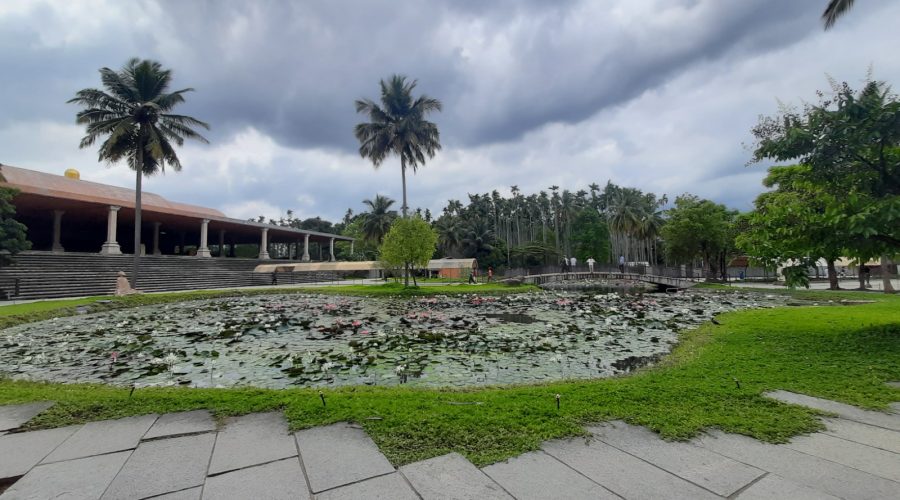
We pick you up from Coimbatore airport and bring you to the Isha Yoga Center, at the foothills of the Velliangiri Mountains, the home of Sadhguru's work.
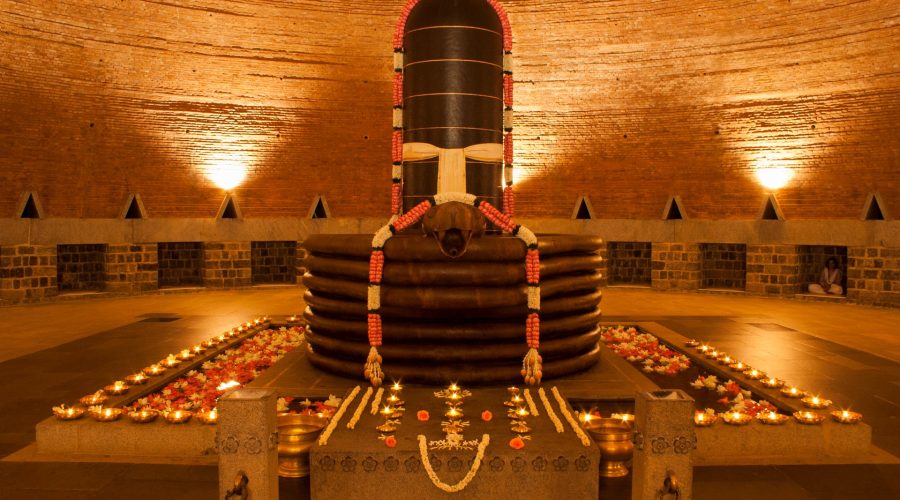
The first evening eases you in, with a general orientation, the Adiyogi Divya Darshan, and meditation in the Dhyanalinga Temple. Those who wish to take part in Yoga Sandhya (optional) may do so on this day.
On this day we take the complete tour through the Isha Yoga Center, with the Nada Aradhana (the offering of sound) at the Dhyanalinga, the evening arati at the Kalabhairava Sthanam, and the Abhishekam (the 11 offerings) at Linga Bhairavi.
Time at the Dhyanalinga and the Yogeshwar Linga. On this day there is a tour of Isha Life, with specific guidance on the consecrated items and tools for wellbeing that Sadhguru has to offer, followed by time for shopping.
The day Sadhguru became enlightened, in 1982, observed on the Autumn Equinox. This is the day to spend time on your own in the consecrated spaces.
We leave the Isha Yoga Center, stopping at the Nattatreshwarar Temple, for the linga consecrated by Agastya Muni, the Mayamma Samadhi, and the Linga Bhairavi Temple in Salem. We rest in Salem.
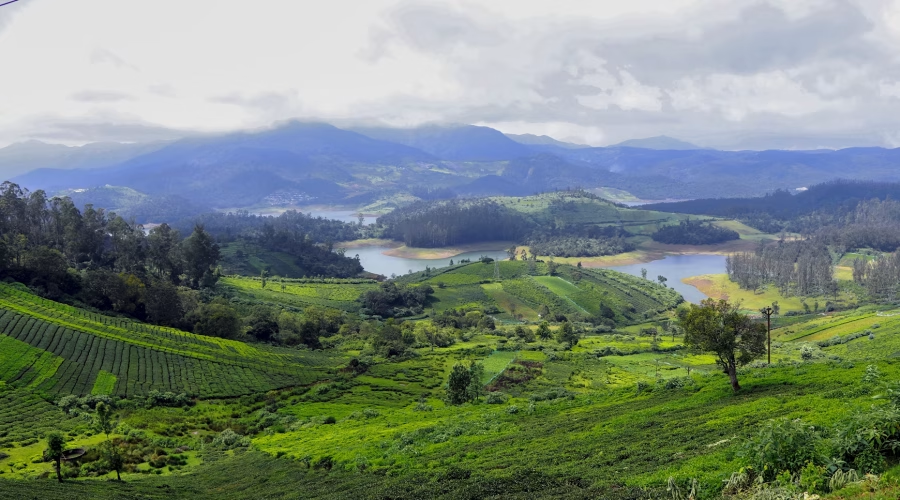
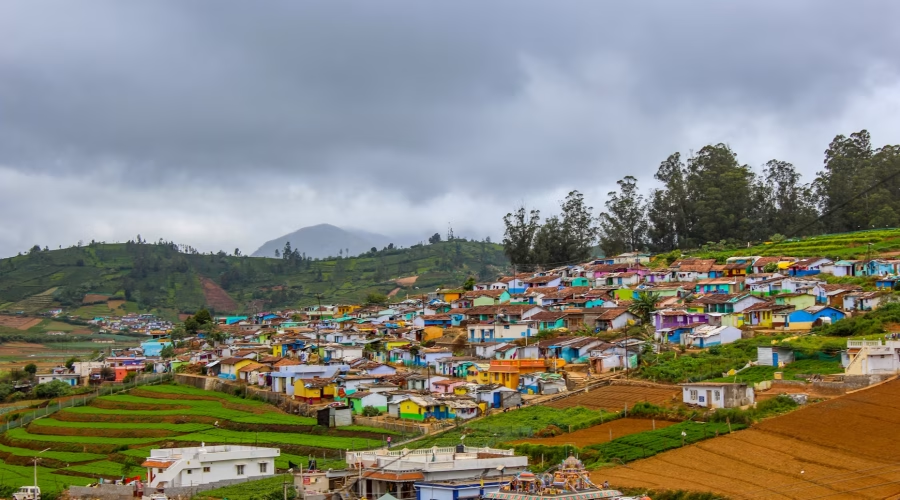
Into the Nilgiris around Ooty, to the spaces held from Sadhguru Sri Brahma's time: the Burliyar cave and the Yedapalli temple. We rest the night in Mettupalayam.
Towards Mysore through the BR Hills, stopping at the ashram of Swami Nirmalananda, the silent sage who, in Sadhguru's telling, called him to help him leave his body consciously.
The rock on Chamundi Hill where Sadhguru became enlightened, then the Mysore Palace for a taste of the region's royal history, and on to Bengaluru for the night.
This is the heart of the journey.
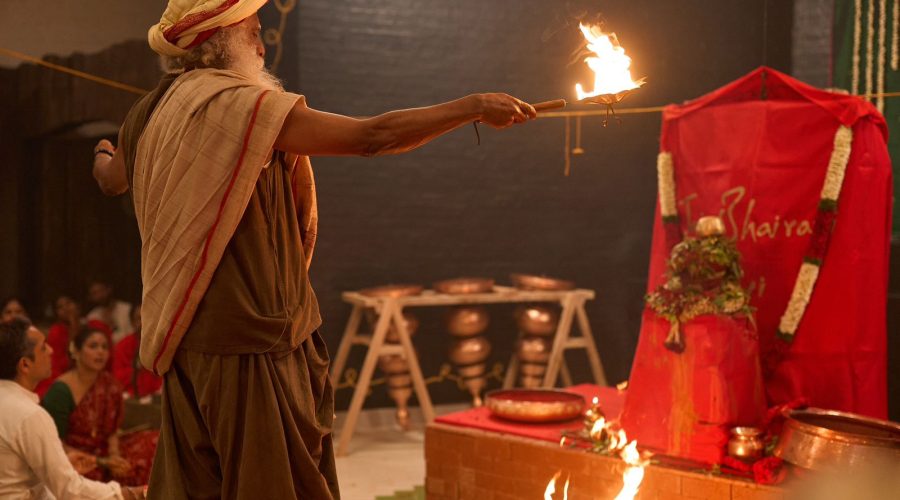
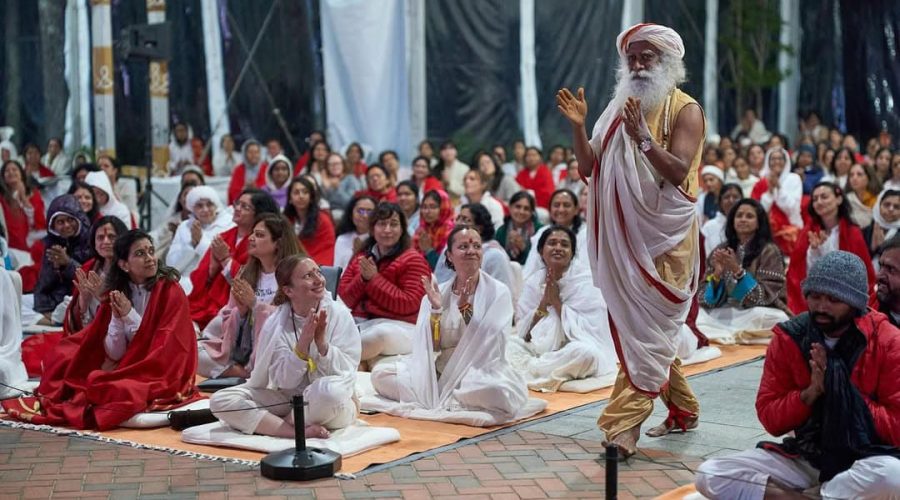
We arrive early to take the best spots, then the consecration itself, across all of these days. You take part in the making of the 4 consecrations: Linga Bhairavi, Suryakund, Chandrakund, and Navagraha.
We spend time in the newly and vibrantly consecrated space of Sadhguru Sannidhi Bengaluru, then check out and move to a hotel near Bengaluru Airport for some well earned rest. From there, the main group heads to Bengaluru Airport for their departures.
For those choosing the optional experience, we depart near Beedahalli, where we will have our mountain pilgrimage the next day.
A pilgrimage up the peak where Shiva's son attained Mahasamadhi in a standing posture, an extremely rare happening. Meditation on the exact spot.
The Kukke Shri Subrahmanya Temple, dedicated to Shiva's son, Kartikeya, with meditation there, then the drive back towards Bengaluru. We will check in to a hotel near the airport for some rest. Then we reach Bengaluru Airport for departures at midnight, for the journey home.
Pricing
The Investment
Register early to travel at the best investment.
Your investment in the journey is per person, in a shared room, set across three tiers depending on when you register.
Normal
€1,932
Register by 6 August
Last Minute
€2,147
Register by 20 August
Optional add-ons
Energy process: Yoga Sandhya
€100
Journey extension till 6 October (Mountain & Temple of the Son)
To be communicated
A deposit of €300 secures your spot, with the balance paid in two installments before the journey.
WHO WILL BE GUIDING ME?
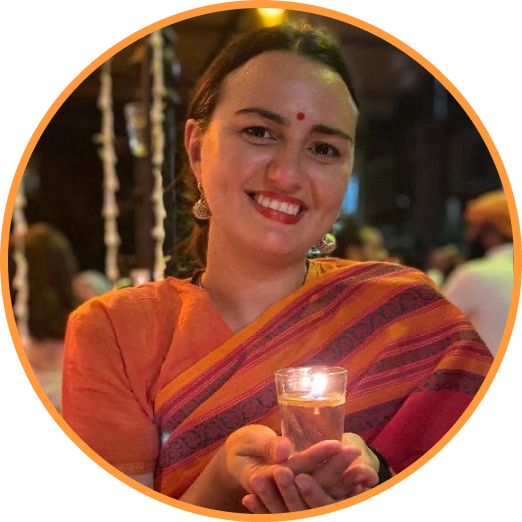
Lavinia Gavriloaia

Robert Gheorghiu
Robert Gheorghiu is the co-founder and director of Shambho Journeys, an accredited international tour guide and travel agent, and the person behind most of our itineraries and journey concepts. He studied Philosophy & Politics at Lancaster University in the UK, where he developed his skill for advanced critical thinking. He’s a storyteller with great passion for spirituality and mysticism, and the one who connects the existential, philosophical, and contemplative threads that make our journeys what they are.
Lavinia Gavriloaia is the co-founder and manager of Shambho Journeys and an accredited Classical Yoga teacher trained in South India. She is the silent support behind every journey, the backbone that sustains the operations, the logistics, and the small moments of care that hold each journey together. Calm and balanced in any circumstance, past participants often say her presence gives them the reassurance that everything is well taken care of.
FIND OUT MORE ABOUT US
WHY IS THE ISHA YOGA CENTER THE MOST POWERFUL PLACE IN THE WORLD TO GO THROUGH THIS TRANSFORMATION?
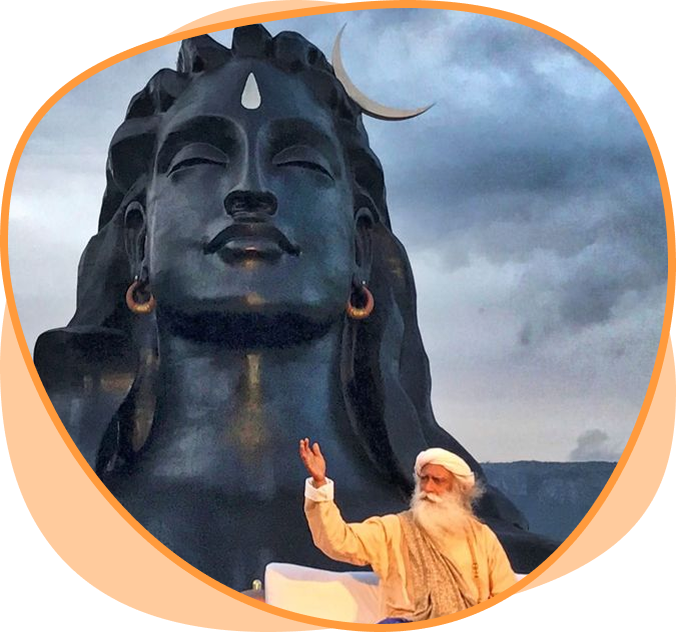
A UNIQUELY CONSECRATED SPACED DESIGNED BY SADHGURU
The Isha Yoga Center is a uniquely consecrated space created by Sadhguru with the singular intention of accelerating human evolution, where every structure has been designed to support inner growth and receptivity.
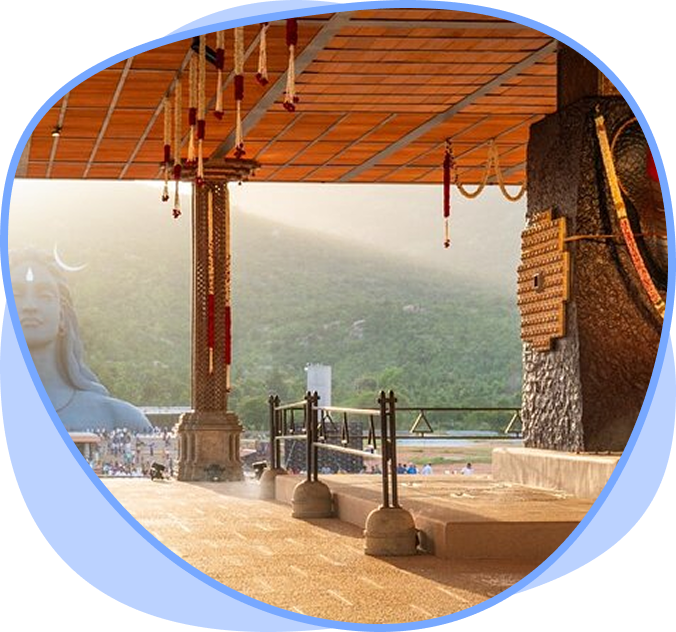
DIRECT ACCESS TO MULTIPLE CONSECRATED ENERGY FORMS IN ONE SPACE
At the heart of the Isha Yoga Center lies a remarkable constellation of consecrated spaces: Dhyanalinga Yogic Temple, Linga Bhairavi Temple, Adiyogi Statue & Yogeshwar Linga, Naga Shrine, Adiyogi Linga and the Teerthakunds.
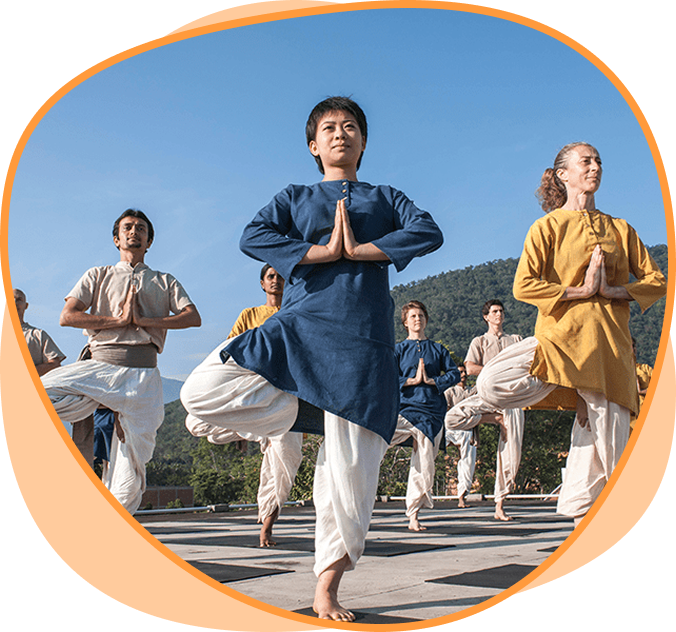
THE ONLY PLACE OFFERING ALL 4 PATHS OF YOGA IN ONE ECOSYSTEM
Isha Yoga Center is one of the rare places in the world where all 4 paths of yoga – Kriya (energy), Bhakti (devotion), Gnana (knowledge) and Karma (action) – are offered in their full depth within one cohesive ecosystem.
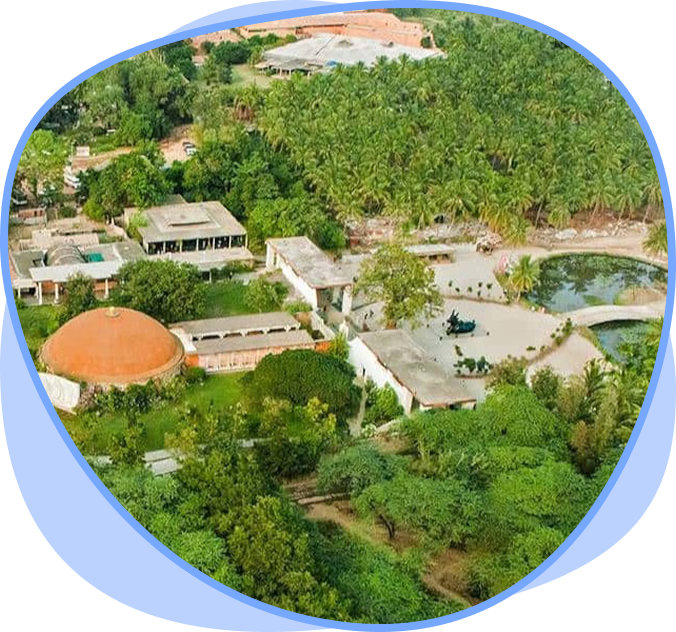
A GEOGRAPHICAL LOCATION THAT AMPLIFIES SPIRITUAL EVOLUTION
The location of the Isha Yoga Center is no accident: it sits at approximately 11 degrees latitude, which Sadhguru describes as “a very advantageous position for one who is longing to raise his energies to its highest pitch.”
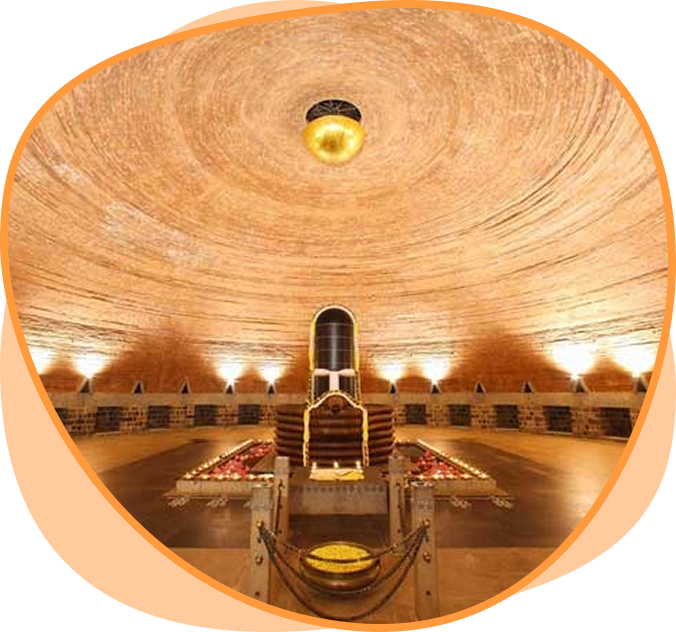
PROGRAMMES DELIVERED INSIDE SPECIALLY CONSECRATED HALLS
The halls at the Isha Yoga Center are not conventional structures, but rather they were consciously designed and consecrated by Sadhguru to support specific dimensions of spiritual practice. Each space has been created to hold and sustain a particular energetic field.
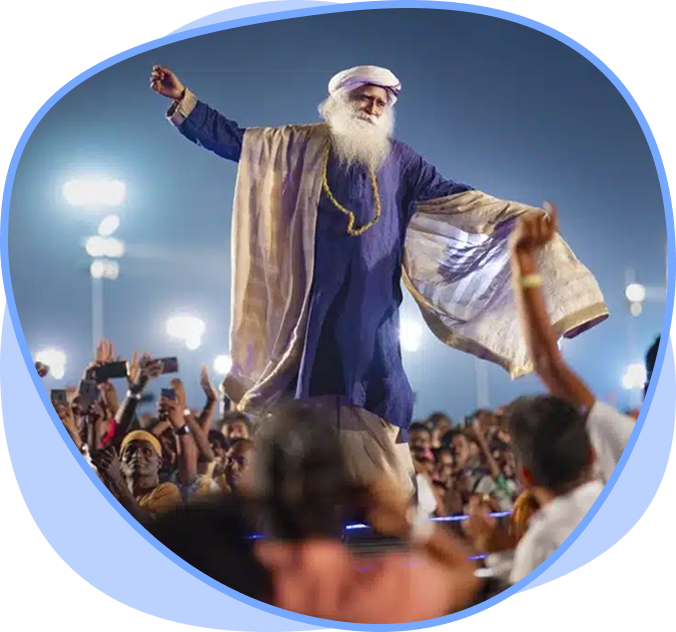
CERTAIN ENERGETIC
PROCESSES TAKE PLACE ONLY HERE
Some of the most powerful processes in the Isha ecosystem are offered exclusively at the Isha Yoga Center, because they require consecrated energy fields and highly calibrated environments to take place safely and effectively.
The FOUR Consecrations
Each one a distinct presence, with its own quality and its own effect on your life.
Linga Bhairavi
Linga Bhairavi is the most exuberant expression of the Divine Feminine. Refined and raw, powerful and vibrant, earthy, humane and mother-like, she is an absolute woman of ultimate proportions, fierce and compassionate at once. Whether a devotee seeks to enjoy the physical and material aspects of life or to transcend them, Devi is the ultimate giver of all that and more.
Suryakund
Suryakund is a teerthakund, a sacred water body energised by a consecrated linga, and it carries a masculine quality. It is the kund for men. Taking a dip straightens out pranic imbalances in the system, supports physiological and psychological wellbeing, and heightens spiritual receptivity, so that the body is prepared before stepping into the consecration.
Chandrakund
Chandrakund is the companion teerthakund, energised in the same way and carrying a feminine quality. It is the kund for women. As with Suryakund, a dip works to clear the pranic imbalances in the system, settle the body and mind, and raise one’s receptivity to the energies of the space.
Navagraha
The word graha is widely mistranslated as “planet,” but it means to perceive, or to be influenced by. In the tradition of Bharat, nine celestial influences, the Navagraha, were identified as shaping human life. This Navagraha consecration, the first Sadhguru has ever done, is based on the science of aligning oneself with these influences, to catalyse success across the different aspects of life and open the way for spiritual growth.
HOW DO I KNOW IF THIS JOURNEY
IS THE RIGHT FIT FOR ME?

You are a spiritual seeker who wants to walk a structured, authentic and proven path, beyond books, theories and inspirational content.
You are successful in life, but you know there is more to you and you are ready to access your next level of inner and outer potential.
You are a family man or woman who wants to show up at your very best: emotionally strong, balanced, present and full of vitality for those you love.
You are an entrepreneur, leader or business professional who wants to operate from a place of heightened focus, energy, clarity and decision-making from within, instead of stress or constant pressure.
You have touched moments of awareness, stillness, or inner depth and you wish to stabilise that experience rather than lose it when life gets demanding.
You are tired of fragmented experiences and want a complete framework of practices and processes that support lifelong growth.
You feel it’s time to stop postponing your inner growth and finally honour the voice inside that knows: “I am meant for more.”

What this journey meant to me:
Anisia Popescu
European Official, Brussels
The journeys offered by Robert & Lavinia under the Shambho logo are truly beyond tourism.
I so much enjoyed my Southern Indian pilgrimage in February 2023! Every step was very carefully tailored and prepared into detail in order to offer fellow travellers the most amazing experience. Robert & Lavinia put their heart, soul, multicultural experience and deep understanding of spiritual practices at the service of their fellow travellers.
Above all logistics details, they are always striving to create that conducive atmosphere allowing people to experience the most extraordinary temples, powerful places, and facilitating the participation to various spiritual processes in a way that is both professional and friendly.
Looking forward to discovering more of those hidden gems in the future, also in Nepal and Northern India!
TECHNICAL REQUIREMENTS
Inner Engineering with initiation into Shambhavi Mahamudra.

All programmes inside the Isha Yoga Center are delivered in English.

Anyone above 15 years of age can participate.
Because every advanced programme, including Shoonya Intensive and Bhava Spandana, in the Isha system is built on the foundation of Shambhavi Mahamudra. The programme can be completed online, from your own home. While you can undergo Inner Engineering anytime, according to your own schedule, kindly bear in mind that live online initiations happen on the last weekend of every month.
WHY SHOULD I REGISTER NOW RATHER THAN LATER?
If not now, then when?
Many seekers wait years for “the perfect time” to prioritise their inner evolution. Yet life never becomes simpler on its own. Responsibilities expand, ambitions grow and time slips by. A structured, guided journey creates a container of commitment, one that protects your focus, amplifies your discipline, and ensures that you finally do the inner work you’ve always intended to do.
What Your Investment Includes
Everything below is included regardless of which tier you register at.

Included:
✨ All accommodation on a twin-sharing basis, with AC, with the exception of Mahakshetra Nirmana
✨ All transportation inside India, by bus with AC
✨ 2 wholesome vegetarian meals per day, with the exception of Mahakshetra Nirmana
✨ All entries and visits to temples and sacred spaces
✨ Extensive tour of the Isha Yoga Center
✨ Extensive tour of Isha Life
✨ Extensive tour of Sadhguru Sannidhi Bengaluru
✨ Mysore Palace visit
✨ 2 Shambho Journeys guides (Robert and Lavinia) accompanying the group throughout
✨ Journey logistics and support
Optional:
🔵 Energy process: Yoga Sandhya
🔵 Journey extension till 6 October: a pilgrimage to Kumara Parvata, the peak where Shiva’s son attained Mahasamadhi standing upright, and the Kukke Shri Subrahmanya Temple at its foot, dedicated to Kartikeya
Not included:
🔴 Mahakshetra Nirmana registration. Yonishwari registration is recommended.
🔴 Flight tickets to India
Room Sharing
How rooms are arranged, and what to do if you’d rather not share.
Twin share (two people in the room) is the default for two people travelling together.
If you’re coming alone, we’ll pair you with another solo traveller of the same gender.
If you wish to be alone in your accommodation, please contact us.
If you’d rather share a room with someone specific, name them in the registration form and we’ll arrange it.
Registration
& Payment
Three ways to begin.
Register and pay
the full amount
Settle everything in one step, no instalment deadlines to track, your spot fully secured.
Register and pay
the advance of €300
The balance is then split in two: half paid by 20 July, the other half by 20 August.
Book an exploration call with us first
If you have questions before deciding.
After you register, we send you an invoice by email. Your spot is reserved once the payment reaches us.
Spots that are not paid within 5 days reopen for other registrations.
Cancellation & Transfer
Cancel before 20 August and an administrative fee of €150 applies. However, should you choose to keep the money with us towards a future journey, no fee is applied.
Cancel after 20 August and 50% of the package fee is returned. However, should you choose to keep the money with us, we will do our best to forward the whole amount towards a future journey.
You can transfer your spot to another person before 20 August. After 20 August, the transfer needs to be to someone of the same gender, so we can keep the room arrangement.
What this journey meant to me:
Tudor Iacob
Architect, Romania
I went to India for the first time with Shambho Journeys and it was the best decision because I realised they made my life much easier and the experience much more enjoyable.
Plus, I visited some amazing places that I wouldn’t have seen or experienced otherwise.
I highly recommend Yoga Shambho and Shambho Journeys, and I am extremely grateful for the experience I had. Big hugs!
What needs to be purchased separately:
Flight tickets to Coimbatore Airport
Indian Visa
For Group 1, In the Grace of Yoga registration
Shivanga Yatra Registration (Optional, for Men Only)
FAQ
1) How do I register for the consecration with Sadhguru?
The Mahakshetra Nirmana registration is handled through Isha and is separate from the journey investment.
You can register here: https://isha.sadhguru.org/sg/en/events/special-events/mahakshetra-nirmana
2) How do I get initiated into Shambhavi Mahamudra?
Initiation into Shambhavi Mahamudra is a prerequisite for the consecration. You get initiated through Inner Engineering, which you can do here: https://isha.sadhguru.org/eu/en/inner-engineering-pc
It is done from your own home: 6 online classes you can take whenever you like, and a 7th, the initiation, which happens only once a month. Register early and finalise before September.
3) Which category do you recommend?
We recommend the Yonishwari category or any category above it, since these include stay in the ashram.
Please do not book Vishweshwari. The traffic in and out of the ashram each morning and evening is a huge effort that will tire you, and it might not support you in experiencing the consecration in its full depth. Should you wish to book Vishweshwari, please contact us first for a discussion.
4) What do I need to enter India?
A passport valid for at least 6 months from the date of travel, and a tourist visa. We recommend the 1-year visa rather than the 1-month version. For most nationalities the visa is obtained entirely online, with no visit to the Indian embassy. We will guide you through this on a group online guidance call.
5) When should I book my flights?
Please book your flights only after your spot is confirmed with us and with Isha Foundation for the consecration. We will guide you further once you register with us.
6) How do I stay in touch with my family while in India?
We recommend an e-SIM for India, or we can help you buy a SIM card once you are at the Isha Yoga Center. They are quite inexpensive. With either, you will be able to keep in touch with family over WhatsApp throughout the journey.
7) What if I want to ask more questions before deciding?
Book an exploration call. We would rather you feel clear and ready than rush the decision.
Have a Question?
Talk to Us
If you have any questions about the journey, logistics, your travel plans,
or anything else, reach out directly.
+40 722 777 487
explore@shambhojourneys.com

What this journey meant to me:
Monica Olariu
Entrepreneur, Romania
I really enjoyed the energy of the temples and the other places that we have visited, and having two Isha Hatha Yoga instructors guiding us on the way was a big plus, which made a huge difference in my experience in comparison to other exotic or special places which I have visited so far.
So I extend my gratitude to them for their dedication and patience. To organise a journey in India is a challenge because you have to adapt to local situations on a moment’s notice and let yourself be led by Grace. But they are used to this local style and have also inculcated this serenity and peace into us as well.
And in a miraculous manner, things have turned out extremely well every time, so I thank them from the bottom of my heart for this pilgrimage. Every moment was worth it.